Everglades and South Florida Travel Course
Explore the historical and contemporary interactions of people with their environment.
OVERVIEW
Course: ENVI-355, 3 Credits
Professor: Daniel Shustack
Dates: Spring Break ’27, 10 days & 9 Nights
exact dates dependent on final airline scheduling
Travel Costs: $1,550
CONTACT INFO
Professor Shustack
413-662-5301
RESOURCES
Course Info
Florida is a state with a rich history, a diverse ecology, and a dynamic present. During this extended field trip, students will explore the historical and contemporary interactions of people with their environment, with the goal of understanding why modern environmental issues and conditions of ecosystems are the way they are.
The course will consider the human history of Florida, including the Calusa, Spanish colonists, and U.S. settlers, as well as the historical and modern ways people have altered the Florida landscape and lived within it.
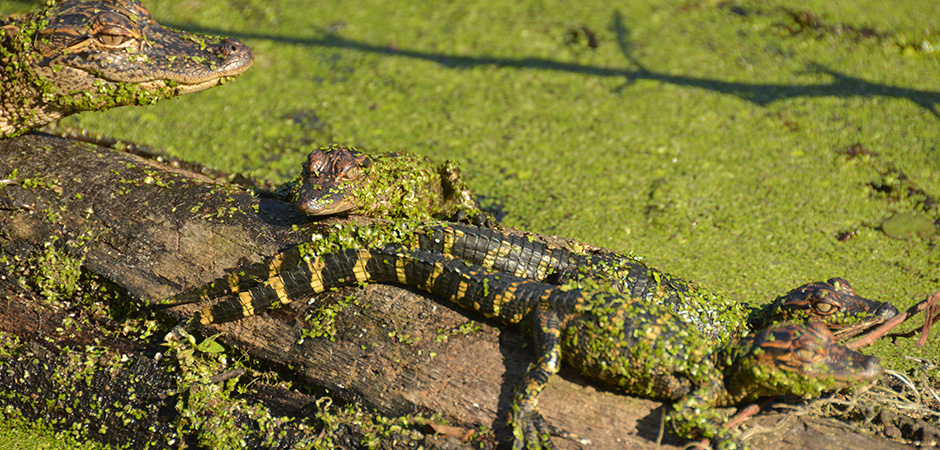
Through visits to preserves, parks, and natural areas, students will learn about and explore the ecology, characteristic species, natural communities, and ecosystems of Florida. A series of site visits and on-site presentations will examine modern conservation issues confronting Florida, including agricultural practices, development pressures, Everglades management, threatened and endangered species management, and water conservation.
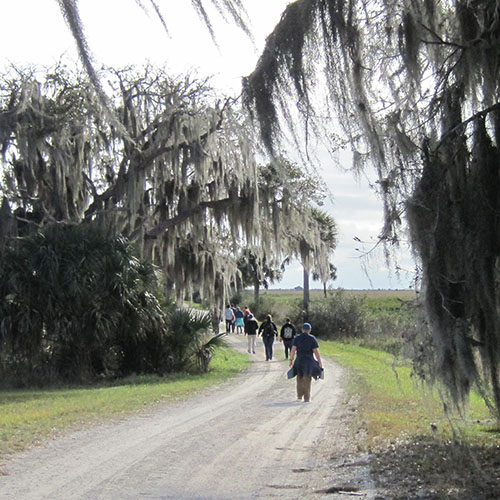
Students should be prepared for physically demanding days and active participation in all aspects of the course. Throughout the trip, students will be camping in state and federal parks while visiting diverse natural, cultural, and historical sites throughout South Florida.
Eligibility
Enrollment is open to all MCLA students but is limited and requires instructor approval before registration. Students interested in participating should contact Professor Shustack to discuss whether the course is a good fit. Professor Shustack has been taking MCLA students to South Florida and the Everglades since 2012. He is excited to talk to you about your interest in this region and the course!
Destination Highlights
Explore one of the world's most significant wetland ecosystems while investigating
habitats, wildlife, estuaries, mangrove systems, restoration efforts, and Everglades
ecology.
Learning Objectives
- Explore the historical and contemporary interactions between people and the environment in South Florida.
- Learn about the ecology, characteristic species, natural communities, and ecosystems of Florida.
- Examine major conservation issues including agricultural practices, development pressures, Everglades management, threatened and endangered species management, and water conservation.
- Understand how human history and environmental change have shaped modern Florida landscapes and ecosystems.
- Apply field-based observation, research, presentation, and reflective learning skills throughout the travel experience.
Cost: $1,550
Includes:
- Airfare
- Ground transportation in Florida
- Transportation to and from the airport
- Camping accommodations
- Admission fees and scheduled activities
- Snacks, all meals, and beverages during the trip
- Group camping equipment and cooking supplies
Not Included - Airport food
- Souvenirs
- Laundry expenses
- Optional snacks and soft drinks
- Personal clothing and hygiene products
Payment Schedule:
- $775 deposit due Oct. 16, 2026
- $775 balance due Jan. 29, 2027
This is an intensive field-based course. Days are long but rewarding and will include
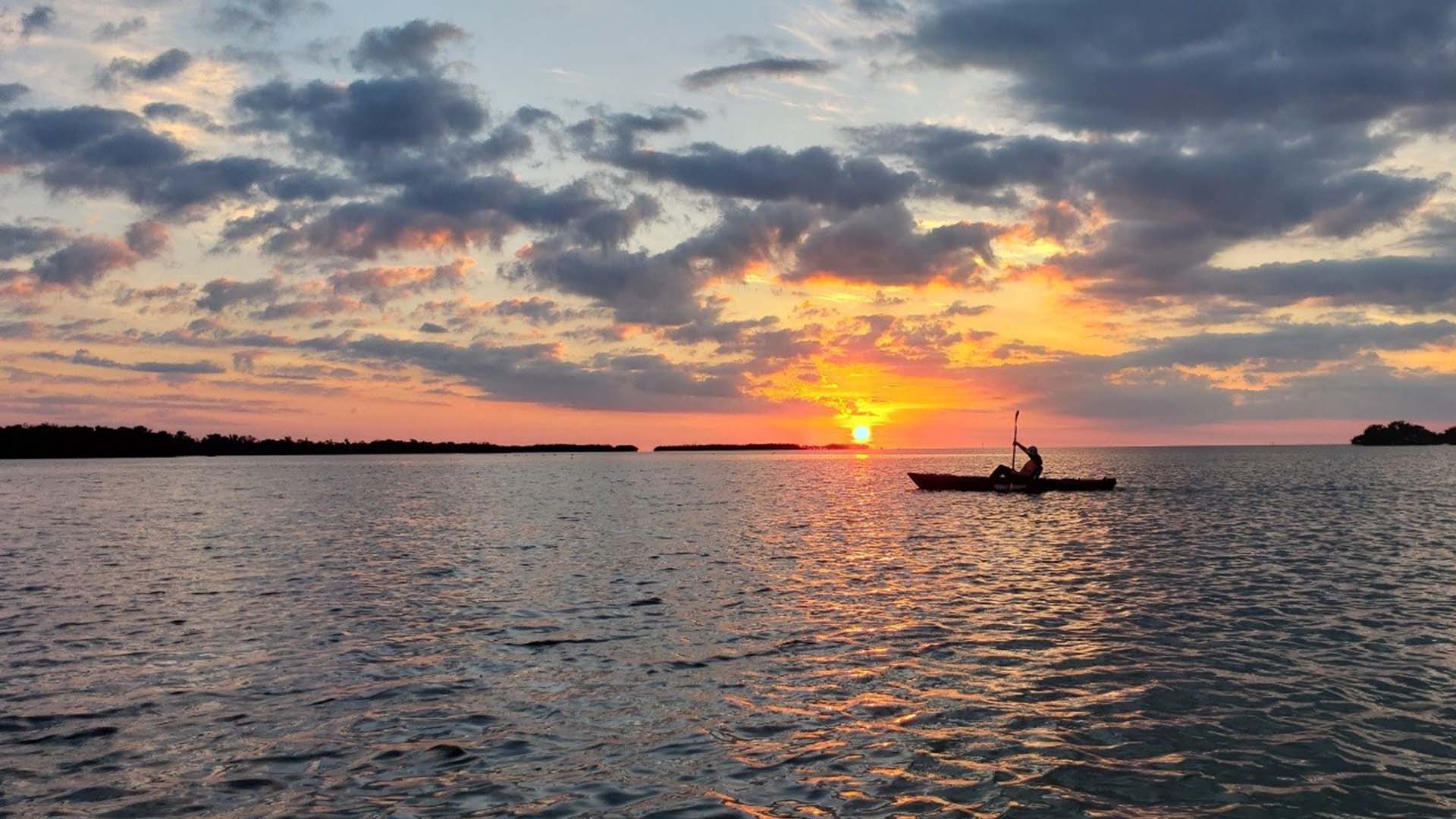
hikes, tours, swimming, paddling, wildlife observation, meetings with conservation
professionals, ranger programs, and ecological exploration. Students will camp throughout
the trip and prepare group meals together at campsites. Participants should be comfortable
being active for extended periods outdoors and should be willing to engage fully in
all course activities. Stamina, flexibility, curiosity, and a spirit of adventure
are important qualities for success in the course.