
Physics Degree Programs
Study physics through in-depth theory and hands-on lab work, supported by close faculty mentorship. Explore topics from astrophysics to particle physics while building strong problem-solving skills.
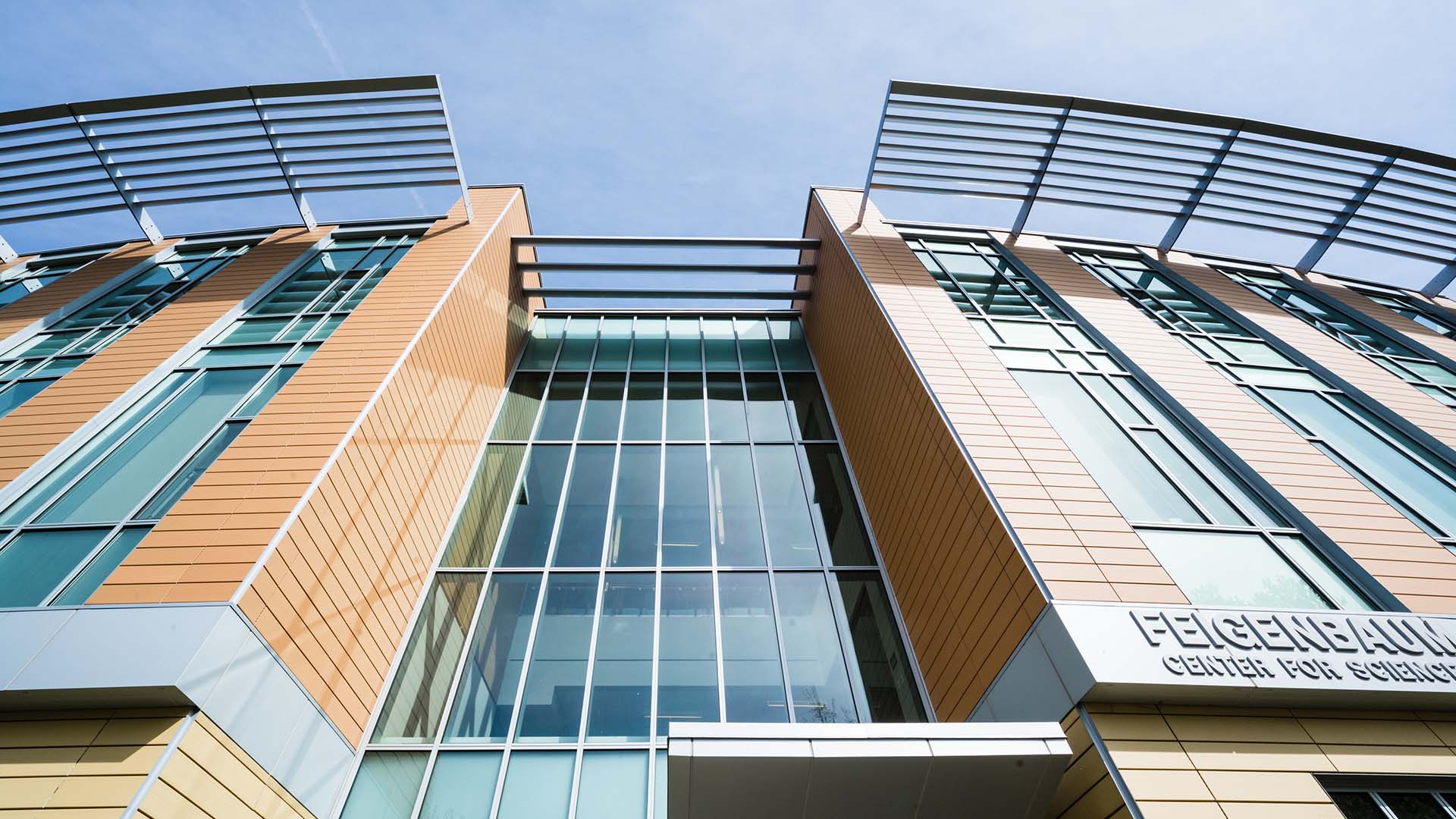
Understand the universe. Solve complex problems. Build skills that apply across industries.
Degrees: Bachelor of Science (B.S.) & Bachelor of Arts (B.A.)
Program Delivery: On Campus
Next Term: Fall 2026
Why Choose Physics at MCLA?
MCLA's Physics program offers a close-knit, hands-on alternative to large STEM universities. Students learn in small classes, work directly with advanced lab equipment, and collaborate closely with faculty who know them by name and actively guide their academic and research development.

Unmatched Faculty Dedication
Faculty work closely with students to support their understanding of complex concepts, often providing extended guidance and one-on-one help to ensure students succeed in challenging coursework.

Elite Undergraduate Research
Students gain hands-on experience applying physical laws in advanced laboratory settings, building highly sought-after technical skills. Undergraduates have secured competitive NSF-funded research opportunities, including work on warm dense matter at leading research labs.

A Close-Knit STEM Community
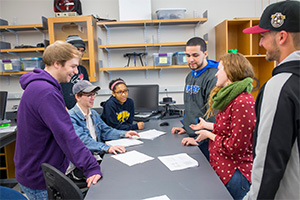
The department offers a vibrant, connected environment where students and faculty interact regularly through weekly pizza gatherings, a dedicated Physics common room, and an award-winning chapter of the Society of Physics Students.
Career Outlook & Program Value
Physics graduates develop analytical and technical skills that are valued across science, engineering, and technology fields.
Where This Degree Takes You
Physics graduates are in demand across science, engineering, and technology sectors due to their strong analytical and problem-solving abilities. Data from the American Institute of Physics highlights widespread hiring of physics graduates across multiple industries.
Career Opportunities
- Systems Engineer
- Research Scientist
- Aerospace or Mechanical Engineer
- Data Analyst
- Secondary Educator
- Astrophysicist
- Patent Attorney
- Science Communication
Explore Our Programs
Students can choose between different degree paths based on their academic and career goals or add a Physics minor to complement another STEM degree.
Skills You Will Develop
Spotlight Courses
Faculty
Meet Your Mentors



MCLA Summer Research
U.S. National Science Foundation Research (NSF) Research Experiences for Undergraduates (REU) program
Many students do summer research through the NSF REU program. Students begin preparing
application materials for these programs in the PHYS 200 Seminar.
FAQs
The B.S. is designed for students pursuing advanced study or research in physics or engineering. The B.A. is suited for broader career paths such as teaching, law, or interdisciplinary fields.
All B.S. students complete an independent research project on the topic of their choosing in their senior year. All students can do research with a faculty member in particle physics, optics, or computational quantum physics (the specialties of our faculty). And we encourage and support all students to apply to summer NSF REUs or engineering co-ops and internships.
Physics requires strong mathematical skills. Students work with algebra, calculus, and advanced mathematical concepts to model and understand physical systems.
Interested in Learning More About MCLA’s Physics Programs?
Reach Out To Us
We’ll share helpful information and student stories, and we promise not to flood your inbox.